Founded in 1986 as the Committee Against Anti-Asian Violence, CAAAV has been organizing for justice in New York City for over 30 years.
Our work originally came out of a response to rising anti-Asian violence across the country, including the murder of Vincent Chin in 1982. As we publicized these cases, we developed a deeper analysis of the root causes of violence:
- that it wasn’t just random individuals, but part of the legacy of systemic and institutional racism.
- that as a result of systemic and institutional racism, immigrants and refugees were kept in poverty and forced to work in poor conditions.
- that women’s work has always remained invisible in and outside of the home.
- that LGBTQ folks bore the brunt of being marginalized to maintain the silence of others.
- and that the struggles our communities face in the United States are directly related to US policies abroad.
Our work then shifted to reflect our analysis. We engaged in anti-police brutality campaigns, participated in anti-war demonstrations, protested unfair working conditions. And we developed community-based projects rooted in oppressed communities which focused on building the consciousness and leadership of our members.
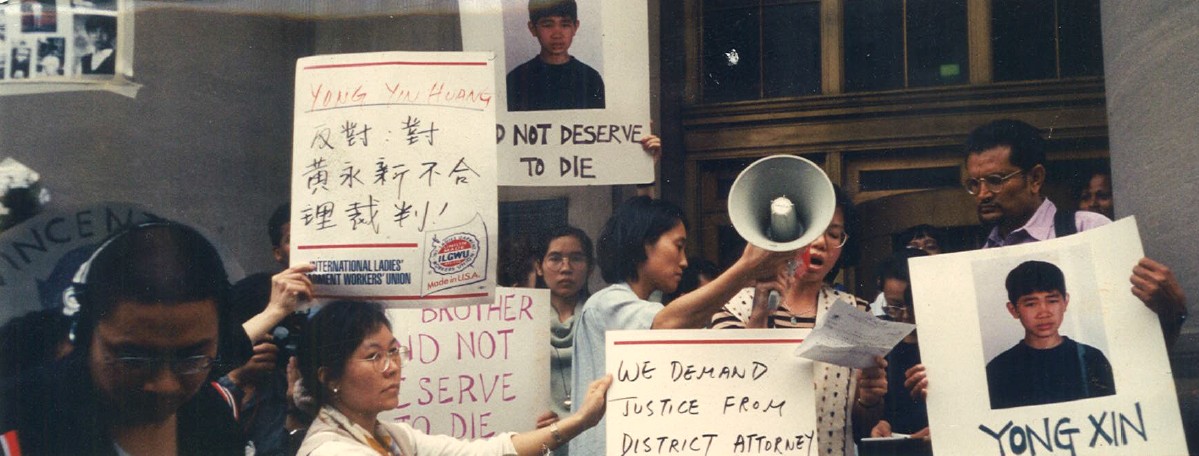
In doing so, we’ve:
- incubated projects that would later become their own organizations, including the NYC Taxi Workers Alliance, Domestic Workers United, and Mekong NYC
- pressured the city to allocate $14 million to build parks and open green space accessible to Chinatown and Lower East Side residents along the East River Waterfront, rather than the original plan of high-end stores and private developments
- organized the Southeast Asian community in the Bronx to challenge the failed Welfare to Workfare programs, documented in the film, Eating Welfare
- advocated for the rights of street vendors in Chinatown that were targeted during former NYC Mayor Giuliani’s Quality of Life campaign
- worked in a city-wide coalition that pushed Mayor Bloomberg to sign an Executive Order providing language access for immigrant New Yorkers
- organized countless tenants to fight their landlords and stay in their homes
- developed the leadership of young people around a vision for social justice through organizing
- coordinated almost a thousand volunteers and members as first responders in Chinatown following Hurricane Sandy
- organized public housing residents to demand greater language access and healthier living conditions
…and more.
Today, we have a membership base of over 300 individuals, and a support base of over 3,000 people throughout NYC. We are part of local and national alliances addressing neoliberal globalization. We have a strong organizing model that guides our work. As we look back to our history to reflect on the lessons learned, we are also looking forward to continue the struggle for racial and economic justice in the years to come.
SIGN UP NOW to receive our e-mail updates and stay informed on how we are continuing to build Asian immigrant power in NYC.